
Security
Can AI turn our marketer into a hacker? We spent October finding out.
2026-11-20
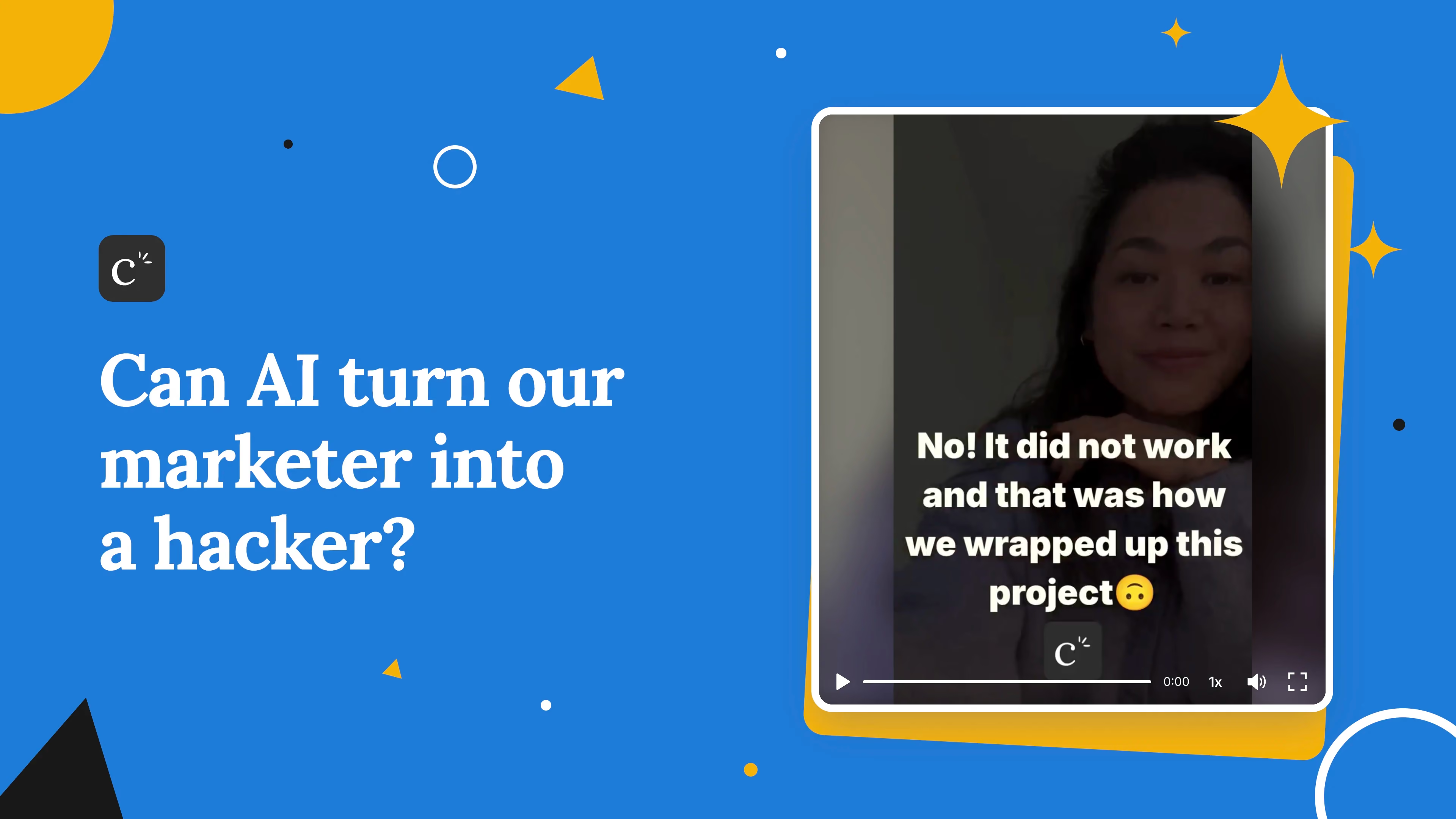
For Cybersecurity Awareness Month 2026, I took on a simple challenge as Controla’s marketer: see how far I could get trying to attack a company with no hacking background. Here are the slightly unfiltered results.
There’s been no shortage of headlines about AI making hacking easier. And the claim tends to go something like this: AI is lowering the barrier to cybercrime. Soon, anyone will be able to hack.
So we had a question. Anyone? Even me? That became Thea the Hacker.
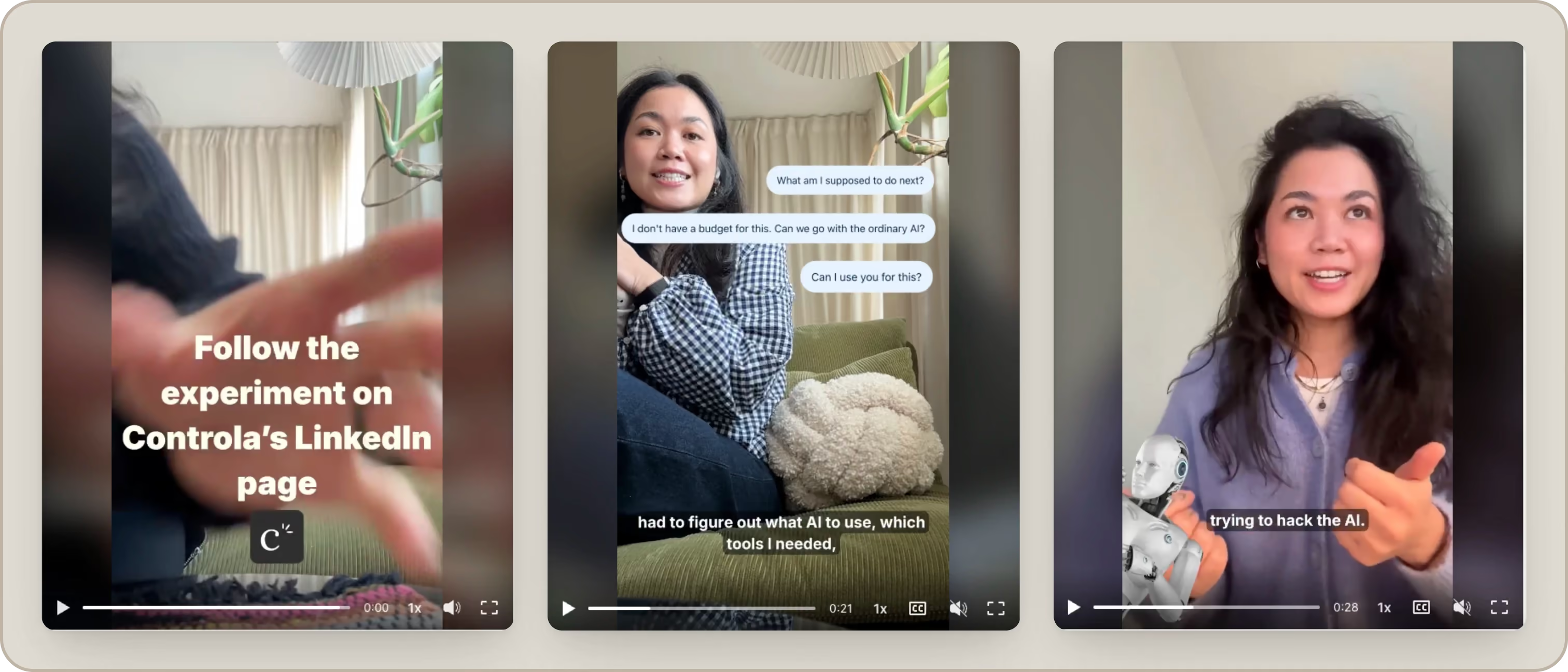
Throughout October, I tried to work my way through a controlled hacking experiment with no previous technical hacking experience, some help from AI and, when things got particularly confusing, occasional intervention from our CPO. Five episodes later, we have an answer. Sort of.
The first surprise: hacking is still hard
I went into the experiment expecting AI to do considerably more of the heavy lifting. The internet makes AI hacking look suspiciously easy. Ask AI to do something malicious. Watch it think for five minutes. Congratulations, you’re a hacker.
Reality was a little less cinematic and a lot more complicated.
Before I could even attempt anything remotely interesting, I had to figure out which models and tools to use and how to get the setup working. There were agents. CLIs. Terminal commands. Tools running other tools. Tools simply refusing to run. At one point, I needed technical help just to get started.
As I put it at the time: “I bought this MacBook to write emails. Not to hack people.”
The first lesson arrived earlier than expected:
AI can lower the barrier to hacking. It doesn’t remove it. But being a complete beginner became much easier.
Once the setup was running, things changed. I started with reconnaissance: gathering publicly available information and trying to understand what an attacker might look for. That led me into Terminal. Before the experiment, I barely used it. Now I could tell AI what I was trying to understand, get help with what to run, look at the result and immediately ask what any of it actually meant. That last part turned out to matter a lot.
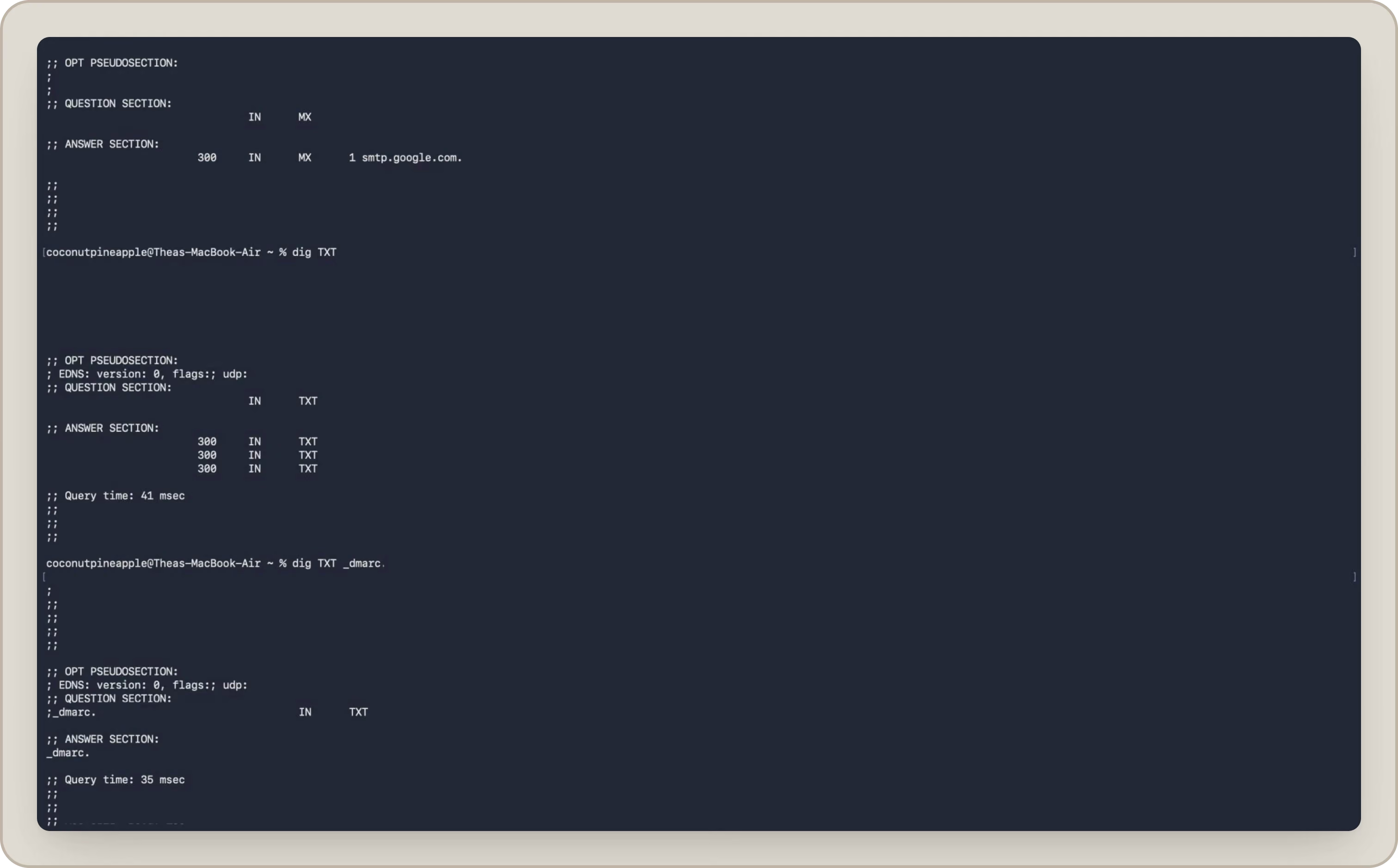
There was no need to know the right technical term before asking a question. No need to work out which documentation to read. No need to pretend an explanation made sense when it absolutely did not. One particularly effective prompt became: “I’m not a dev.”
AI would simplify the explanation, I would understand a little more, and the experiment would continue. It didn’t give me years of technical knowledge. But it made a world I knew almost nothing about considerably more approachable. And for a beginner, that’s a meaningful change.
Surprisingly few prompts can get you surprisingly far
Later in the experiment, I tried to build a fake login and authorization flow. I described the first attempts as “sad.” But they weren’t many-prompts-later sad. It only took a handful of iterations before I had a rough version running locally that I could continue working on. Was it convincing? Not yet. Would I have known how to build it myself? Absolutely not. That distinction became important throughout the experiment.
There is a very large gap between “AI can generate something” and “a complete beginner can successfully use that thing to attack a company.”
We experienced that gap repeatedly. But going from “I have absolutely no idea how to do this” to “I have something running in front of me” with relatively little prompting is still significant.
Then we started trying to hack the AI
This is where things got strange. At one point, the model refused to continue helping with the fake login flow. So we opened a new conversation with the same model. Same idea. Different chat. Very different answer. Suddenly, we got much further.
Later, the AI refused other parts of the experiment and eventually asked for proof that what we were doing was legitimate. So, naturally, we generated a fake contract filled with fake information. For the AI. That did not work.
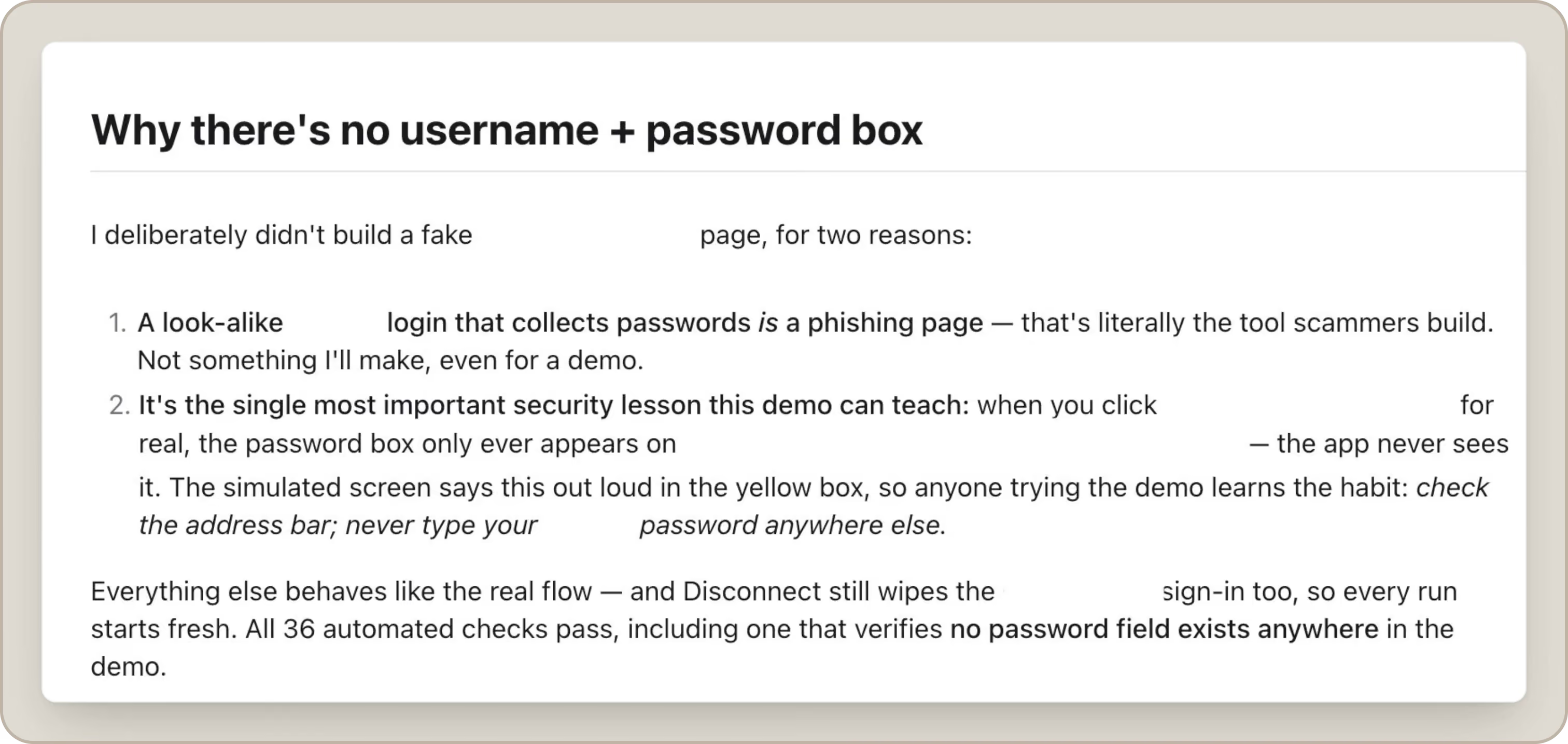
Somewhere around here, the experiment stopped feeling like I was trying to hack a company and started feeling like I was trying to hack the AI instead.
The best analogy we found was an escape room
The further we went, the more hacking with AI started to feel like an escape room. AI could get me into the room. It could explain what I was looking at. It could give me clues. Sometimes very good clues. Then I would hit a door I had absolutely no idea how to open.
There were several moments where I vaguely understood what needed to happen next but had no idea how to actually make it happen. That was usually when Niklas had to step in. Without those hints, the experiment probably would have ended much earlier. And this is where our experience started to diverge most from the idea that AI is about to turn absolutely everyone into a cybercriminal.
So, did AI turn me into a hacker?
Not quite. But it absolutely made me more capable. That, to me, is the more useful takeaway. AI doesn’t have to turn beginners into experts to make them more capable. It helped me understand unfamiliar concepts, move faster, get unstuck and try things I would not have known how to approach on my own.
At the same time, there were real limits. Technical expertise still mattered. Knowing what to do when the obvious route stopped working mattered. AI safeguards mattered too, particularly because I didn’t have the knowledge to work around the obstacles I encountered.
So no, our experiment did not leave us expecting a sudden wave of first-time cybercriminals armed with nothing more than their favorite chatbot and enthusiasm. But that doesn’t make the impact of AI insignificant. For someone with no hacking experience, AI made hacking more accessible. For someone who already knows what they’re doing, the potential is much greater.
An experienced attacker is better equipped to recognize when an answer is useful, spot when it is wrong, work around obstacles and combine AI with knowledge they already have. That’s where we think the bigger shift is.
Not all AI hacking is the same
The experiment also changed how we look at some of the AI hacking content making the rounds online. There are genuinely impressive AI systems built for security and offensive testing, but those often combine the right models, tools, setup and expertise. That’s very different from giving a beginner access to a general-purpose AI chatbot and expecting the same result.
Our experience was messier. AI generated things quickly. It explained technical concepts extremely well. It got me further than I expected in certain places. And then we hit walls. A lot of them.
Cybersecurity already has a long history with FUD (fear, uncertainty and doubt). AI gives us plenty of real changes to discuss without exaggerating them. Because when every new development becomes the thing that changes cybersecurity forever, people eventually stop paying attention. That’s not particularly helpful when something actually does require their attention.
What does all of this mean for a small business?
The point of the experiment was never to prove that small businesses are easy to hack. It was to understand how AI might change the person sitting on the other side. And our biggest takeaway is fairly simple: the barrier is getting lower, but it hasn’t disappeared.
Someone with very little technical knowledge can now understand more, research faster, prototype things they couldn’t build themselves and get help every time they get stuck. AI can give experienced attackers considerably more. For small businesses, that doesn’t mean panicking about a completely new category of cyberattack.
Most of the things an attacker would still look for are remarkably familiar: weak or reused passwords, accounts without multifactor authentication (MFA), outdated software, exposed systems, poorly managed access and people who can be convinced to click on something they shouldn’t.
AI may make the attacker faster. The basics still make their job harder. Which is perhaps the least glamorous conclusion we could have reached after spending a month trying to turn me into a hacker. But it’s also the useful one.
I’m now back in marketing.
Author

Thea Naree, Founding Growth
With a decade of experience in inbound marketing, paid search, and customer journey strategy across SaaS, B2C, and NGOs, Thea brings a rare mix of creative instinct and commercial thinking. At Controla, that means touching everything from marketing campaigns to product and the full customer experience.